First visit / General information / 3 November 2026
Begin with what matters to you
A first visit is a chance to explain why you have come and to understand what an examination involves. You might be arranging routine care, returning after a break or asking about something that has changed. You do not need to have chosen a treatment before that conversation.
Write down the questions you would most like answered. For example: what does an assessment include, how are additional investigations discussed, and when will the findings be explained? A short list can help you remember what you wanted to ask.
Understand the examination
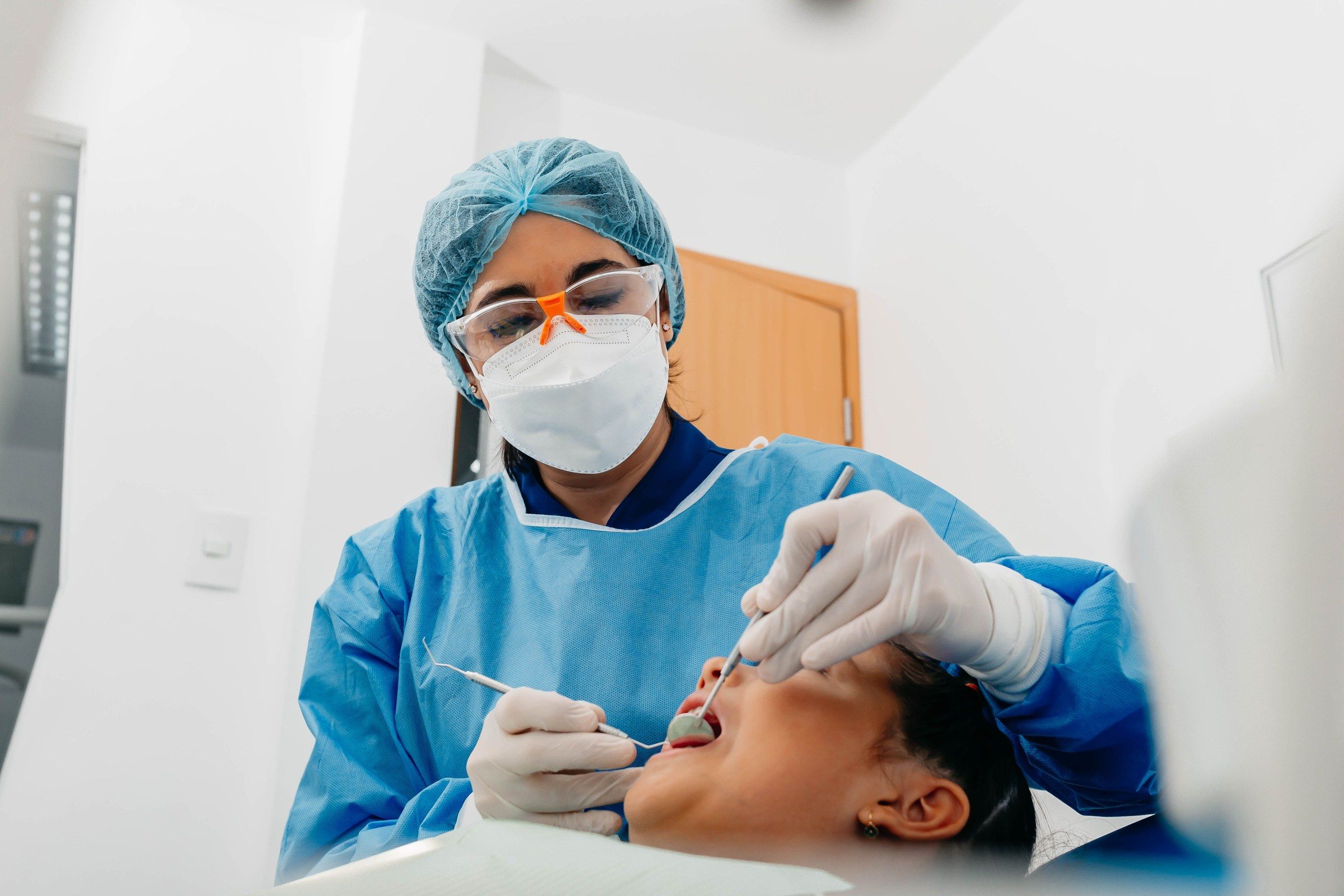
The dentist looks at your teeth, gums and mouth and talks with you about your dental and general health. They may ask about your daily habits and any concerns since your last appointment. Ask the team to explain anything you do not understand.
An investigation should have a purpose. If imaging or another test is proposed, ask why it may be useful, what it involves and whether there is a separate cost. This guide cannot say what tests you need; that depends on your assessment.
Make room for questions
You can ask for information in clear stages. If you feel nervous, mention that before the visit so you can discuss how the appointment will be explained. Agreeing how to ask for a pause can make the conversation easier.
Useful questions include: what have you found, what are the options, what happens if I wait, and what does each option involve? You can also ask for a written explanation to review after the appointment.
Know what you are agreeing to
An assessment and a course of treatment are different decisions. Before agreeing to further care, ask about the proposed stages, likely costs and what is included. If something is unclear, ask for it to be explained again.
The sample Aveline pages show how a practice might present those choices. They do not provide a clinical recommendation, confirm a visit or quote for an individual patient. The enquiry form sends and stores nothing.
Leave with a personal next step
Check-up timing is individual rather than automatically every six months. Your dentist recommends when to return according to your oral health and risk. Ask why that interval has been suggested and whether another appointment has a different purpose.
Before leaving a real practice, make sure you know the agreed next step and how to contact the team with a question. For general patient information, read the NHS guide linked below. For your own dental needs, speak to a dental professional.